Endangered Penguin Species
Updated November 4, 2026
Most threatened penguins are losing food and safe breeding places to warming seas and shrinking sea ice, and fishing nets and oil spills add to the losses. Of the 18 species, 10 are listed as threatened on the IUCN Red List. This page covers those 11 species, including one listed as near threatened, with why their numbers are falling and where to see them in Japan.
For kids: Why Are Penguins in Danger?
At a glance
- CR African Penguin 24 in Japan
- EN Galápagos Penguin Not in Japan
- EN Yellow-eyed Penguin Not in Japan
- EN Erect-crested Penguin Not in Japan
- EN Northern Rockhopper Penguin 9 in Japan
- EN Emperor Penguin 2 in Japan
- VU Humboldt Penguin 62 in Japan
- VU Snares Penguin Not in Japan
- VU Southern Rockhopper Penguin 7 in Japan
- VU Macaroni Penguin 1 in Japan
- NT Fiordland Penguin Not in Japan
Red List categories
- CR Critically Endangered
- Facing an extremely high risk of extinction in the wild.
- EN Endangered
- Facing a very high risk of extinction in the wild.
- VU Vulnerable
- Facing a high risk of extinction in the wild.
- NT Near Threatened
- Not threatened yet, but likely to become so in the near future.
CR, EN and VU together are called “threatened”.
Why their numbers are falling
For most species, several of these come together.
Climate change and a changing ocean
Warmer seas, shrinking sea ice and El Niño take away food and safe places to raise chicks.
Predators, including animals brought by people
Cats, rats, stoats and other animals brought in by people attack eggs and chicks.
Competition for food
Fisheries and growing fur seal numbers take the same fish and krill the penguins eat.
Disease
Bird flu, avian malaria and other diseases can kill large numbers of birds.
Fishing nets
Penguins get tangled in nets underwater and drown.
Oil spills
Oil from shipwrecks and other accidents can kill many penguins at once.
People and lost nesting places
People get too close, and the places penguins nest are being lost.
Species by species
-
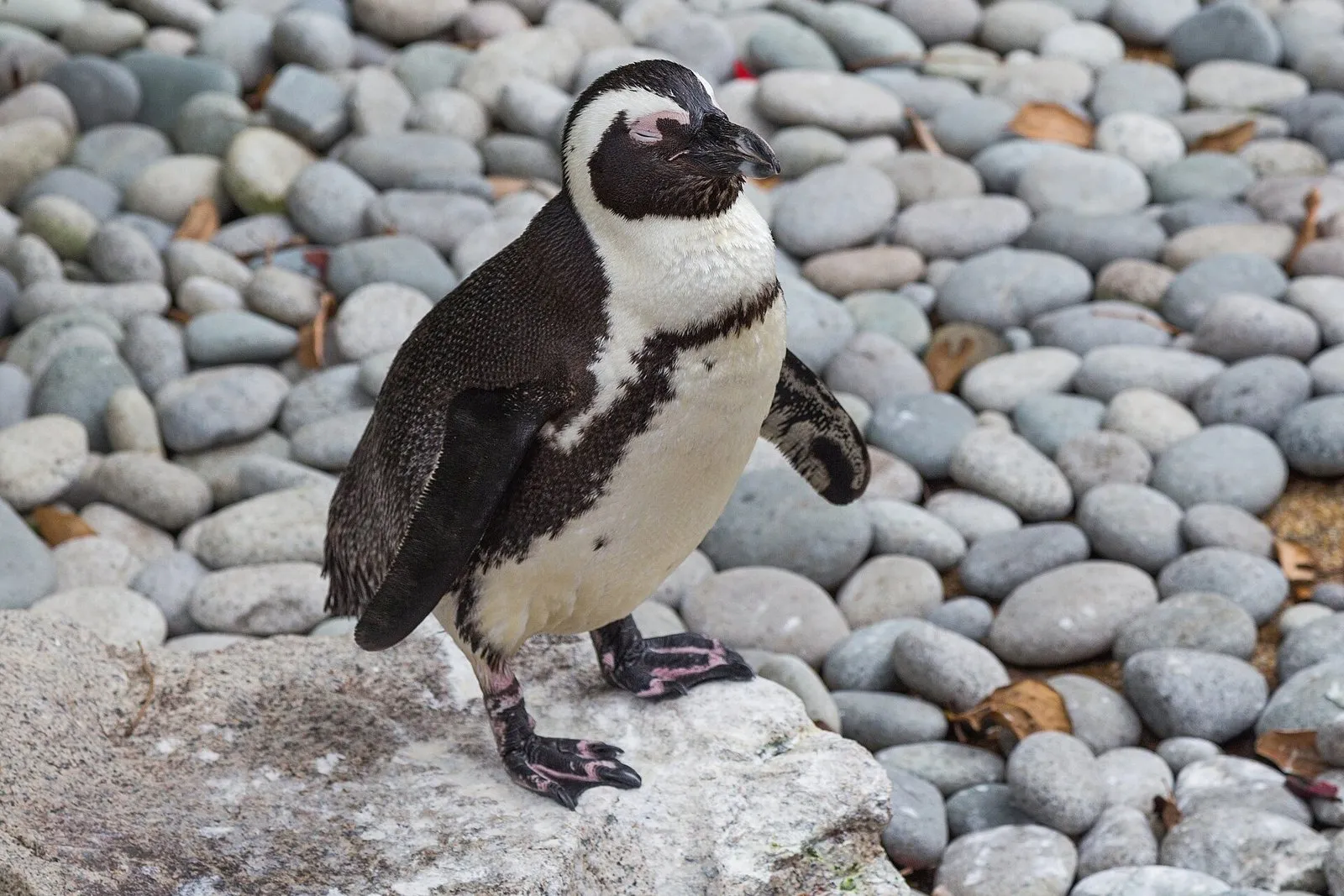
- Wild population
- About 9,900 pairs (about 19,800 mature individuals)
- Trend
- Decreasing
Threats
- Sardines and anchovies have shifted away from the colonies, and purse-seine fisheries compete for what is left.
- Young birds head for waters that used to be rich in fish but no longer are, so many do not survive.
- Oil from ships is a major danger. Two spills, in 1994 and 2000, killed about 30,000 birds.
- Guano they once dug burrows in was removed for fertilizer, so many now nest in the open, exposed to heat, floods and predators.
- Cape fur seals compete with them for food and kill them, and gulls, caracals and others take eggs and chicks.
Conservation work
- Since 2025, purse-seine fishing for sardines and anchovies has been banned around six major colonies.
- Abandoned chicks and oiled birds are rescued, raised or cleaned, and released back to the sea.
Where to see them in Japan (24)
-
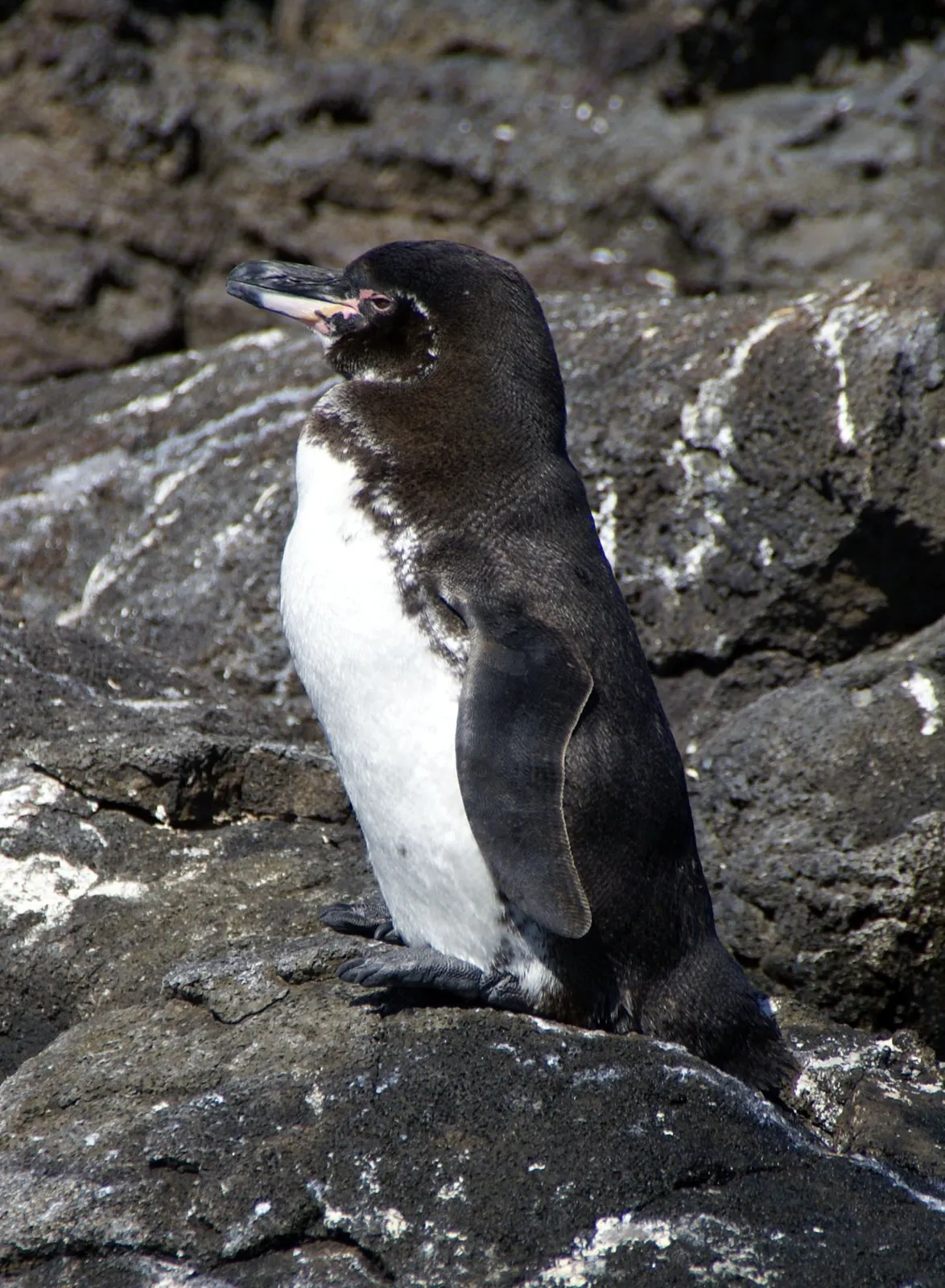
- Wild population
- About 1,200 mature individuals
- Trend
- Decreasing
Threats
- In El Niño years the sea warms and the fish disappear. Numbers fell by 77% in 1982–83.
- Some drown after getting caught in fishing nets near the coast.
- Cats, rats and dogs brought by people kill them, and a single feral cat once killed many adults.
- Mosquitoes that arrived with people can spread avian malaria.
Conservation work
- Every bird lives inside the national park and marine reserve, where access to nesting sites is strictly controlled.
- Nests built from lava rock give them safe places to breed, and introduced predators are being removed.
Not kept at any place in Japan.
-
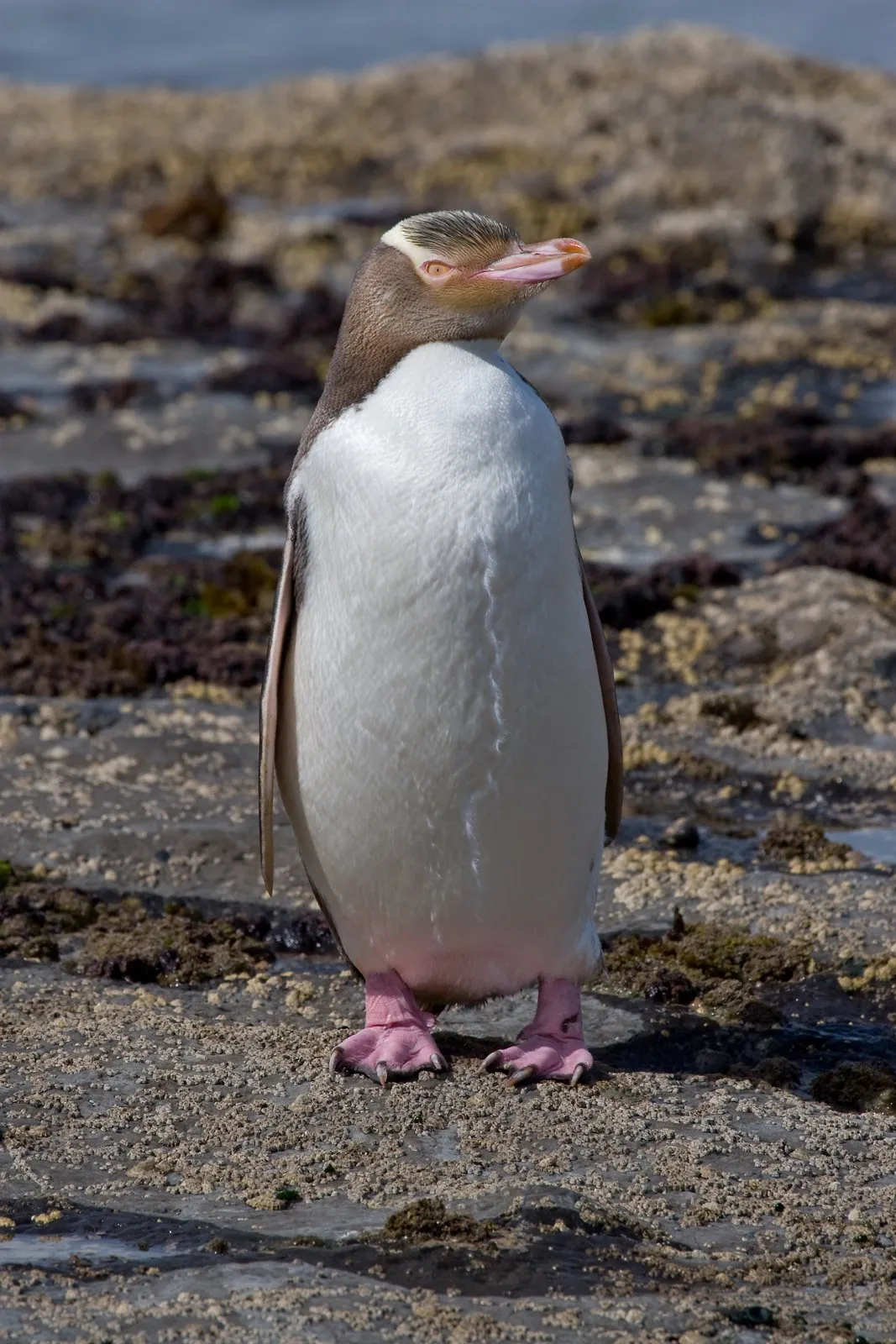
- Wild population
- About 2,600–3,000 mature individuals
- Trend
- Decreasing
Threats
- Drowning in set nets is thought to be a major cause of the decline.
- Avian diphtheria and avian malaria kill chicks and, more and more, adults.
- Warmer seas have changed their food, and chicks and molting adults starve more often.
- Stoats, ferrets, cats and dogs brought by people attack the chicks.
- People standing too close on beaches can stop penguins from reaching their nests.
Conservation work
- Predators are trapped, and coastal forest is replanted around nesting sites.
- Sick, injured and starving birds are taken in and treated.
Not kept at any place in Japan.
-
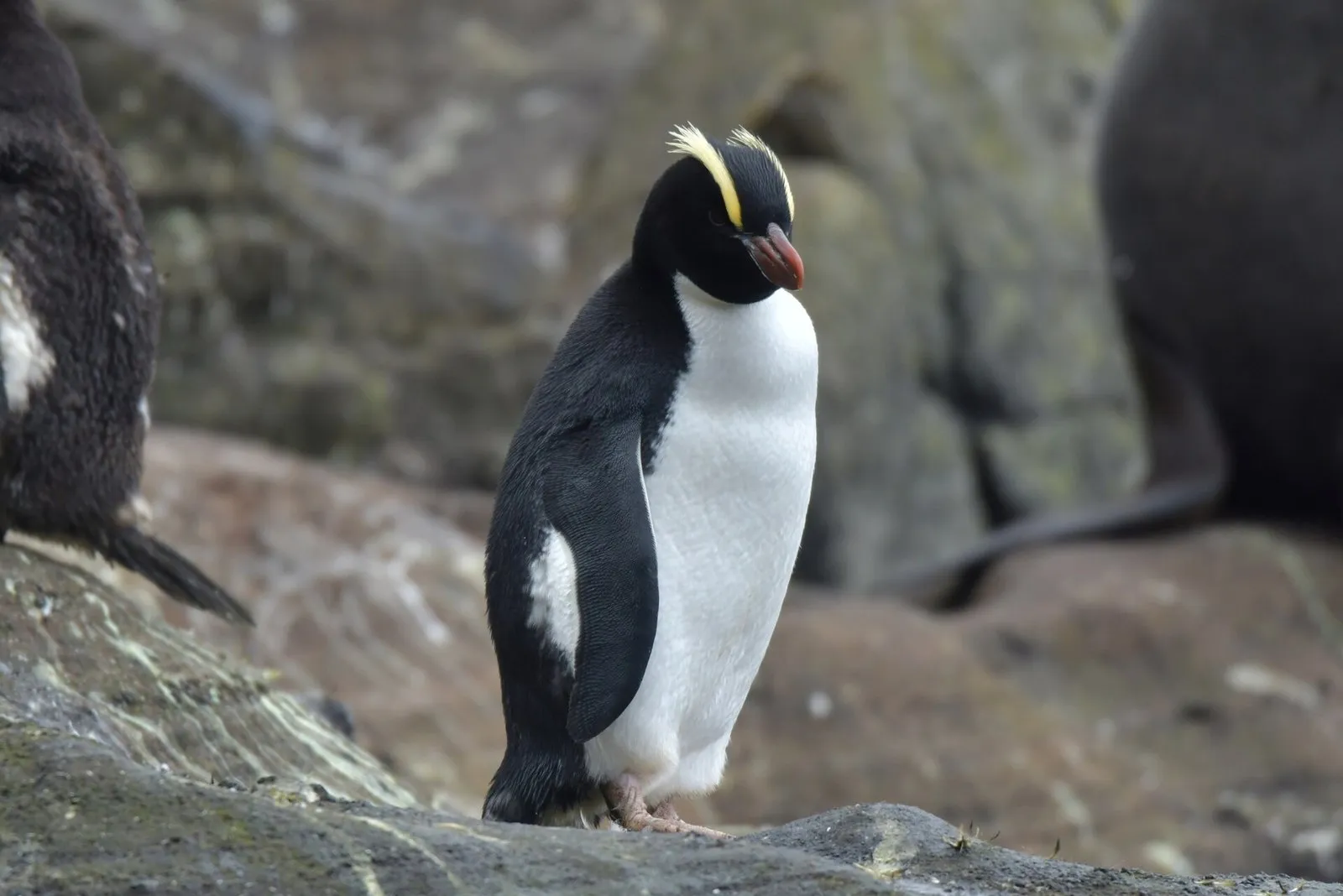
- Wild population
- About 150,000 mature individuals
- Trend
- Decreasing
Threats
- Little is known for sure, but warming seas are thought to make food harder to find.
- More frequent storms cause landslides that bury nests along with the birds.
Conservation work
- Both islands where they breed are nature reserves and part of a World Heritage Site.
Not kept at any place in Japan.
-
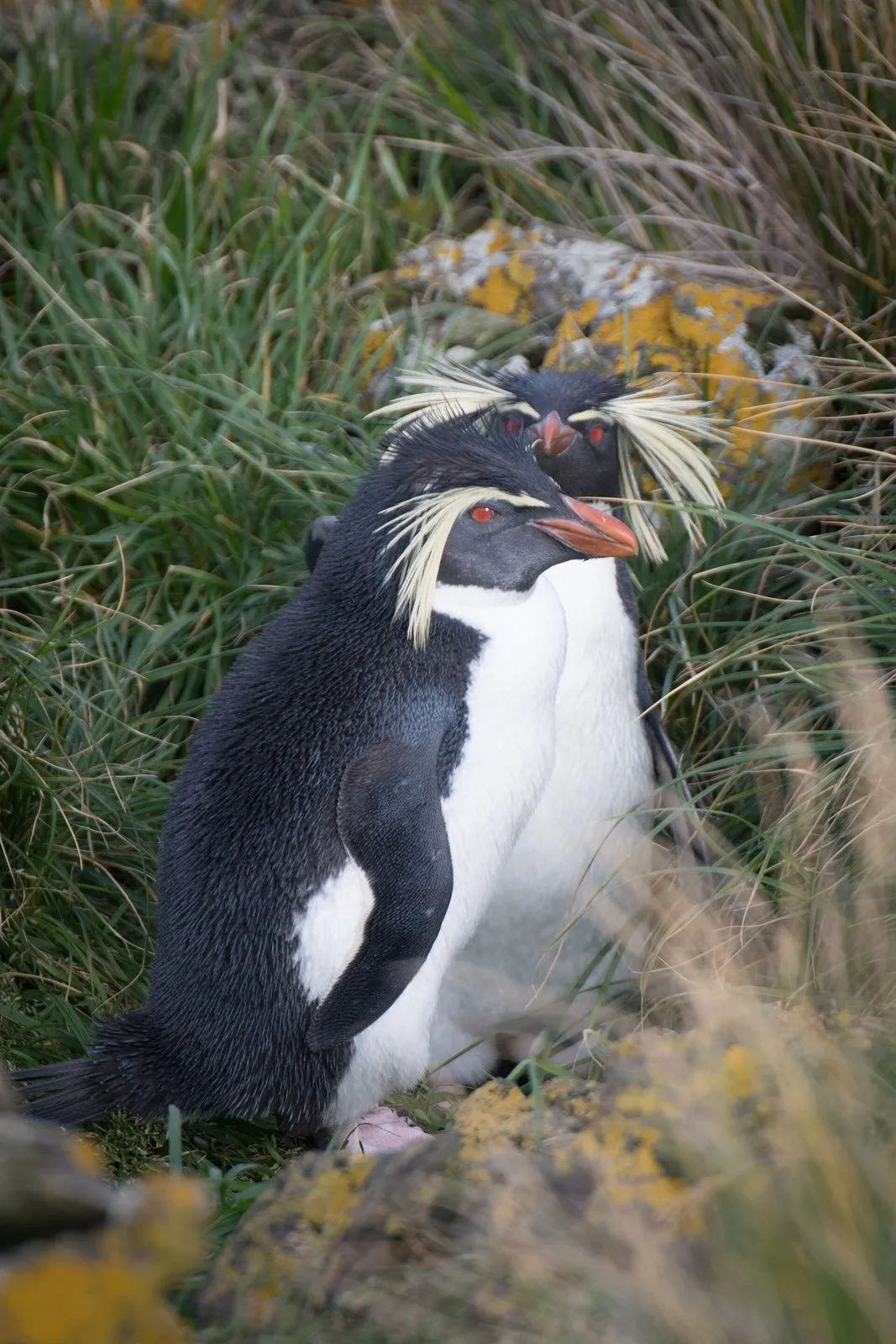
- Wild population
- About 206,850 breeding pairs
- Trend
- Decreasing
Threats
- Oil from ships is the main threat in the Atlantic. In 2011 a wrecked cargo ship leaked oil; 3,718 birds were taken in, but only 381 went back to sea.
- Warmer seas and more fur seals competing for prey may be leaving them with less food.
- Bacteria found on Amsterdam Island may explain four years in a row when no chicks survived there.
Conservation work
- In 2020, over 90% of the waters around Tristan da Cunha became a marine protection zone.
Where to see them in Japan (9)
-
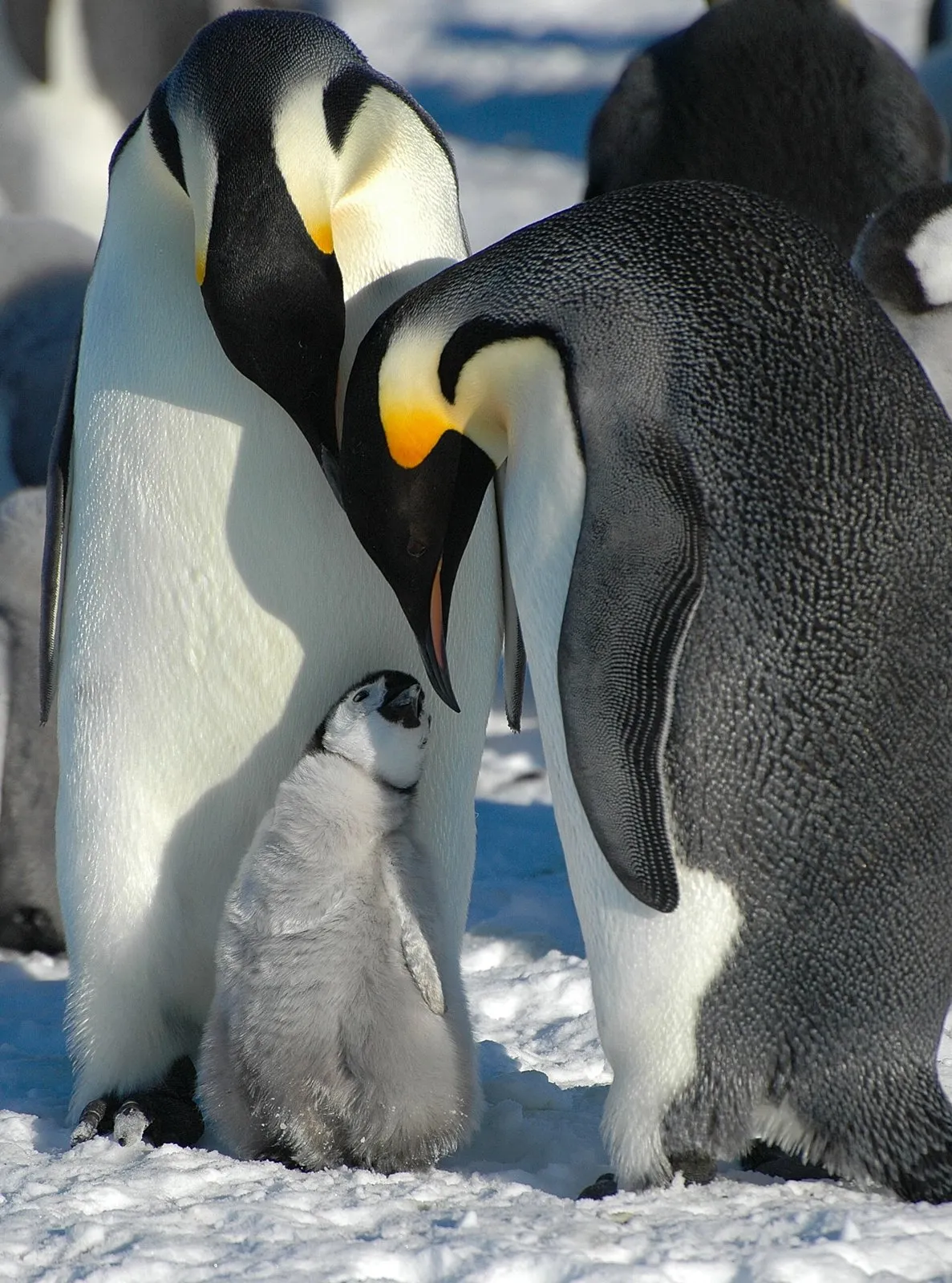
- Wild population
- About 256,500 breeding pairs
- Trend
- Decreasing
Threats
- Sea ice breaks up before the chicks can swim, and they die. In 2022, four of five colonies west of the Antarctic Peninsula raised no chicks at all.
- They cannot climb steep slopes with eggs or chicks, so when the ice goes there are few other places to breed.
- Less ice could change currents and reduce their food, and fishing for krill could harm them if poorly managed.
Conservation work
- Some colonies are protected as Antarctic Specially Protected Areas or inside the Ross Sea Marine Protected Area.
- IUCN says the most important step is a sharp cut in greenhouse gas emissions.
Where to see them in Japan (2)
-
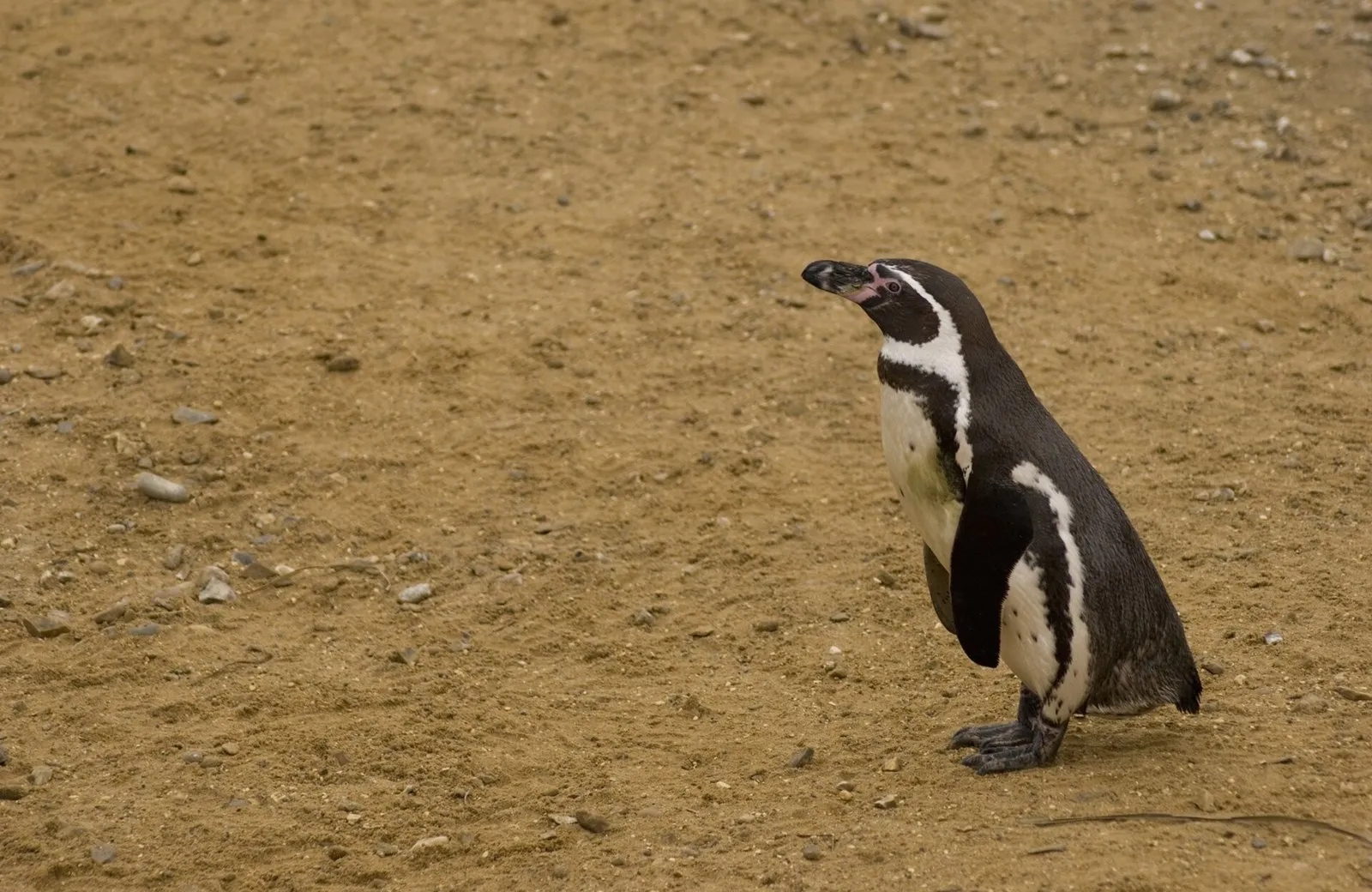
- Wild population
- Up to about 23,800 mature individuals
- Trend
- Decreasing
Threats
- In El Niño years fish become scarce, and parents abandon nests or chicks die.
- Industrial fisheries in Peru and Chile catch large amounts of the anchovies and sardines they eat.
- Some drown in gillnets set near the coast.
- Guano used for burrows has been mined for fertilizer, and they raise fewer chicks where people often visit.
- In 2023 bird flu spread in Chile, and more than 2,800 were found dead in connection with it.
Conservation work
- In Peru, the islands and headlands where they nest, and the sea around them, are national reserves.
- Shimonoseki Aquarium Kaikyokan in Japan has succeeded in artificial insemination using frozen sperm.
Where to see them in Japan (62)
-
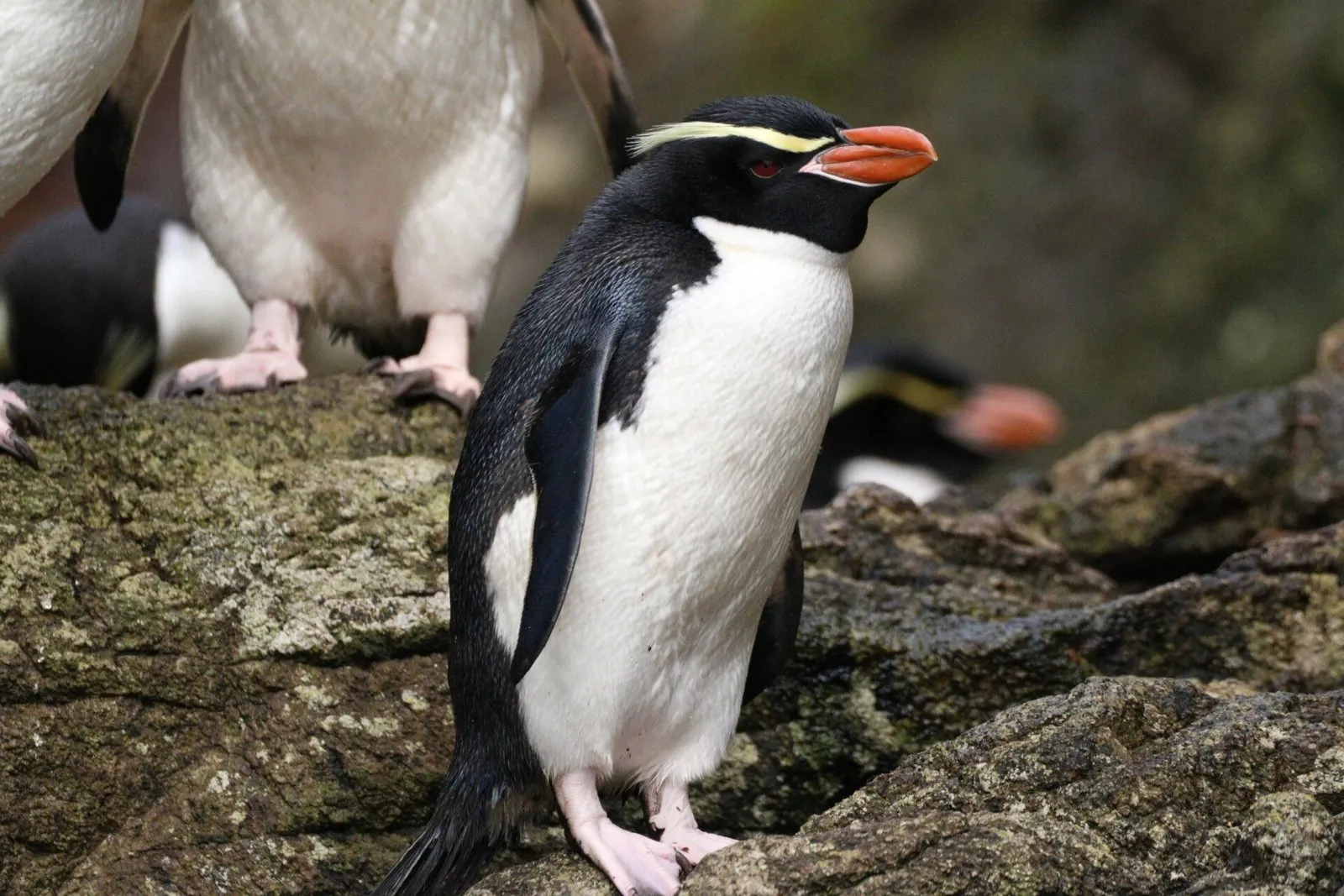
- Wild population
- About 63,000 mature individuals
- Trend
- Stable
Threats
- Numbers are stable, but because they live only on the Snares Islands, a single accident such as an oil spill could do great harm.
- The squid and fish they eat are also caught by fisheries.
Conservation work
- The islands are a nature reserve closed to tourists, and anyone landing is checked so that no pests get in.
Not kept at any place in Japan.
-
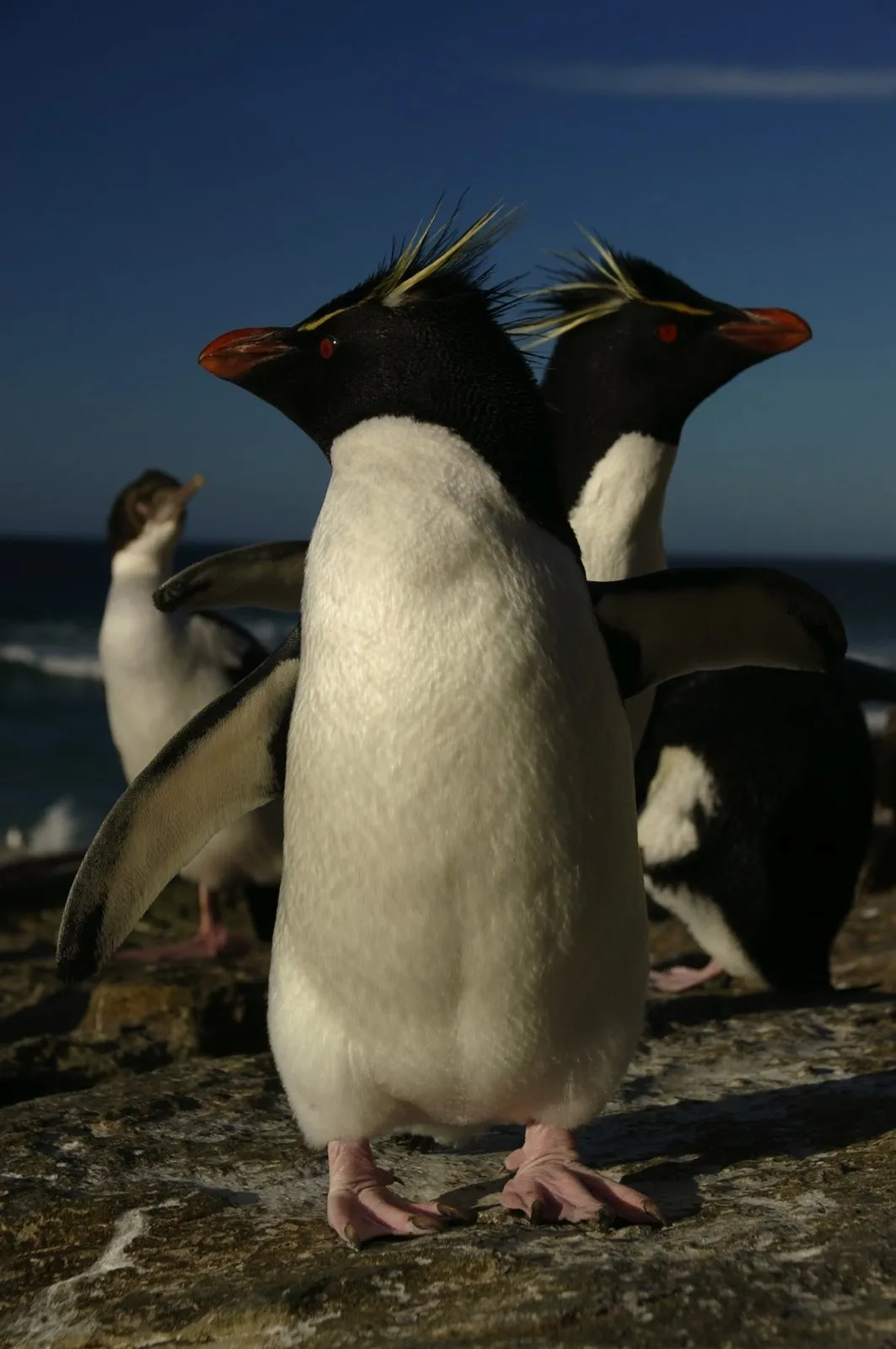
- Wild population
- About 850,000 breeding pairs of E. c. chrysocome and 422,000 of E. c. filholi
- Trend
- Decreasing
Threats
- When sea temperatures swing to extremes, food can suddenly run out and many adults die.
- Growing numbers of fur seals and sea lions compete with them for food and sometimes eat them.
- Toxic algal blooms and bird flu have killed many birds at once.
Conservation work
- Colonies in the Falklands and elsewhere are counted every year, and an international action plan is in place.
Where to see them in Japan (7)
-
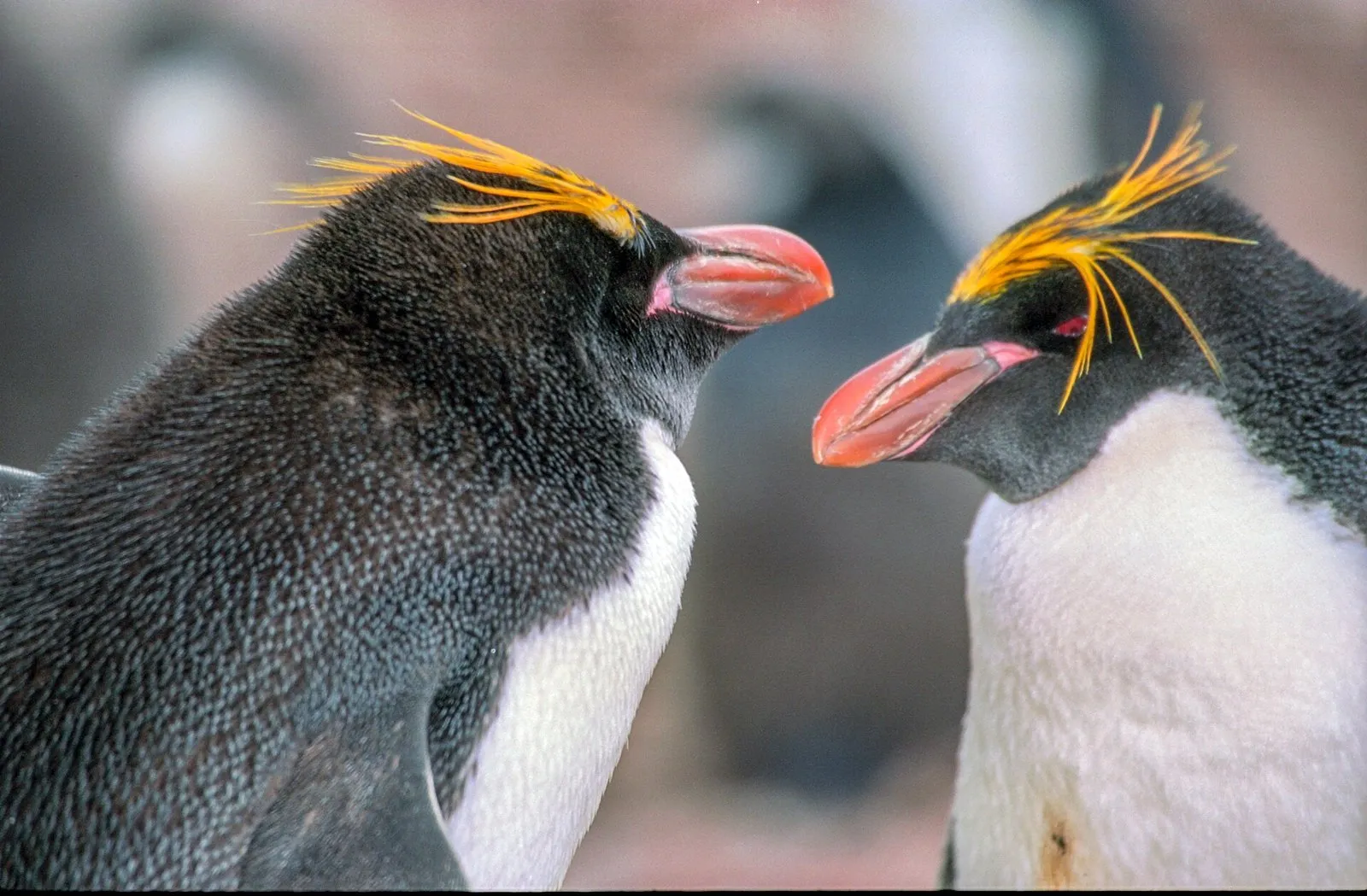
- Wild population
- About 6.3 million breeding pairs
- Trend
- Decreasing
Threats
- At South Georgia, fur seals grew from about 30,000 to about 3 million and now compete for krill.
- Changing sea temperatures may also play a part, but how much is not yet clear.
- Giant petrels attack young birds just as they head out to sea.
Conservation work
- Around South Georgia, krill fishing is allowed only in winter so it does not take food during the breeding season.
Where to see them in Japan (1)
-
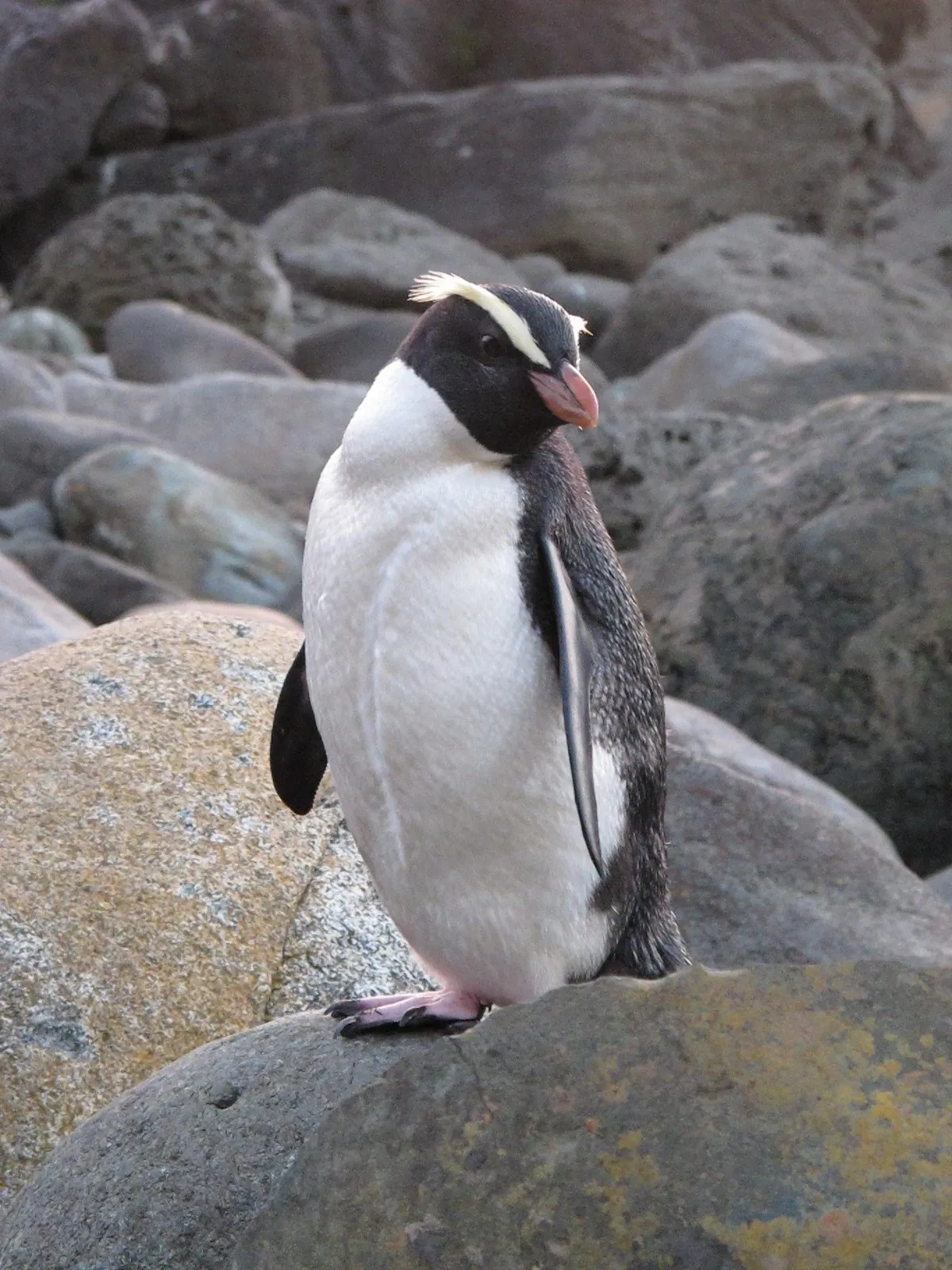
- Wild population
- About 12,500–50,000 mature individuals
- Trend
- Decreasing
Threats
- Stoats brought in by people are the biggest danger on land.
- While molting they cannot escape to sea, so a single loose dog could wipe out a whole colony.
- Some die in set nets close to shore and in the fiords.
Conservation work
- At Milford Sound an automatic system tracks birds every year, and people are asked to keep dogs on a leash near penguins.
Not kept at any place in Japan.
Penguins in Japan's zoos and aquariums
The Humboldt Penguin, kept at more places in Japan than any other penguin, is listed as Vulnerable (VU). You can also see the critically endangered African Penguin at 24 places in Japan.
Japanese facilities also work on breeding. Kaikyokan in Shimonoseki has succeeded in artificially inseminating Humboldt Penguins using frozen sperm.