For kids
Why Are Penguins in Danger?
There are 18 kinds of penguins in the world. 10 of them might disappear if nothing changes. Animals like this are called “endangered.”
Why is this happening?
-
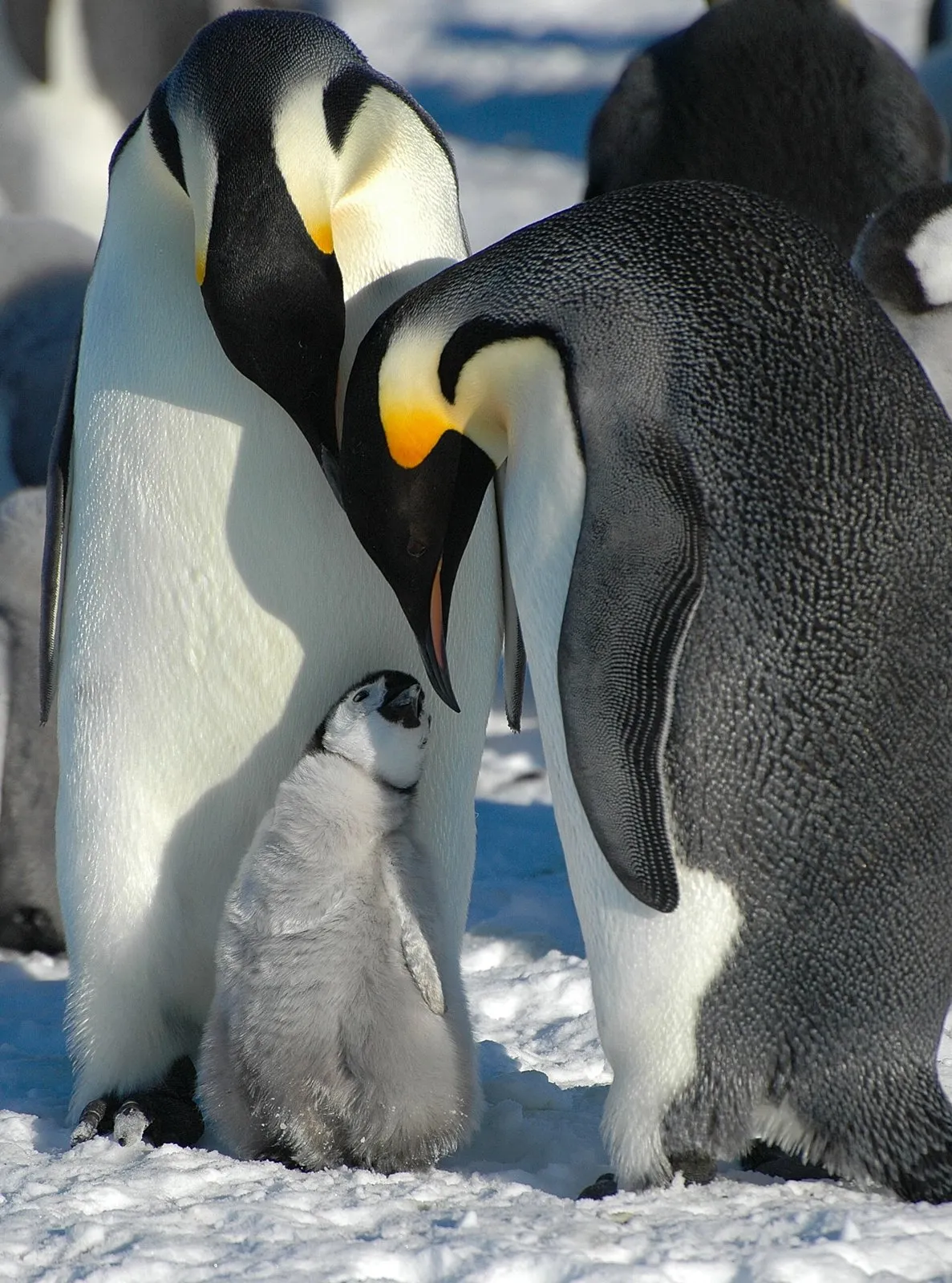
1. The sea is getting warmer and the ice is melting
Emperor Penguins raise their chicks on sea ice around Antarctica. As the Earth warms, the ice breaks up too early, and chicks that cannot swim yet die.
-
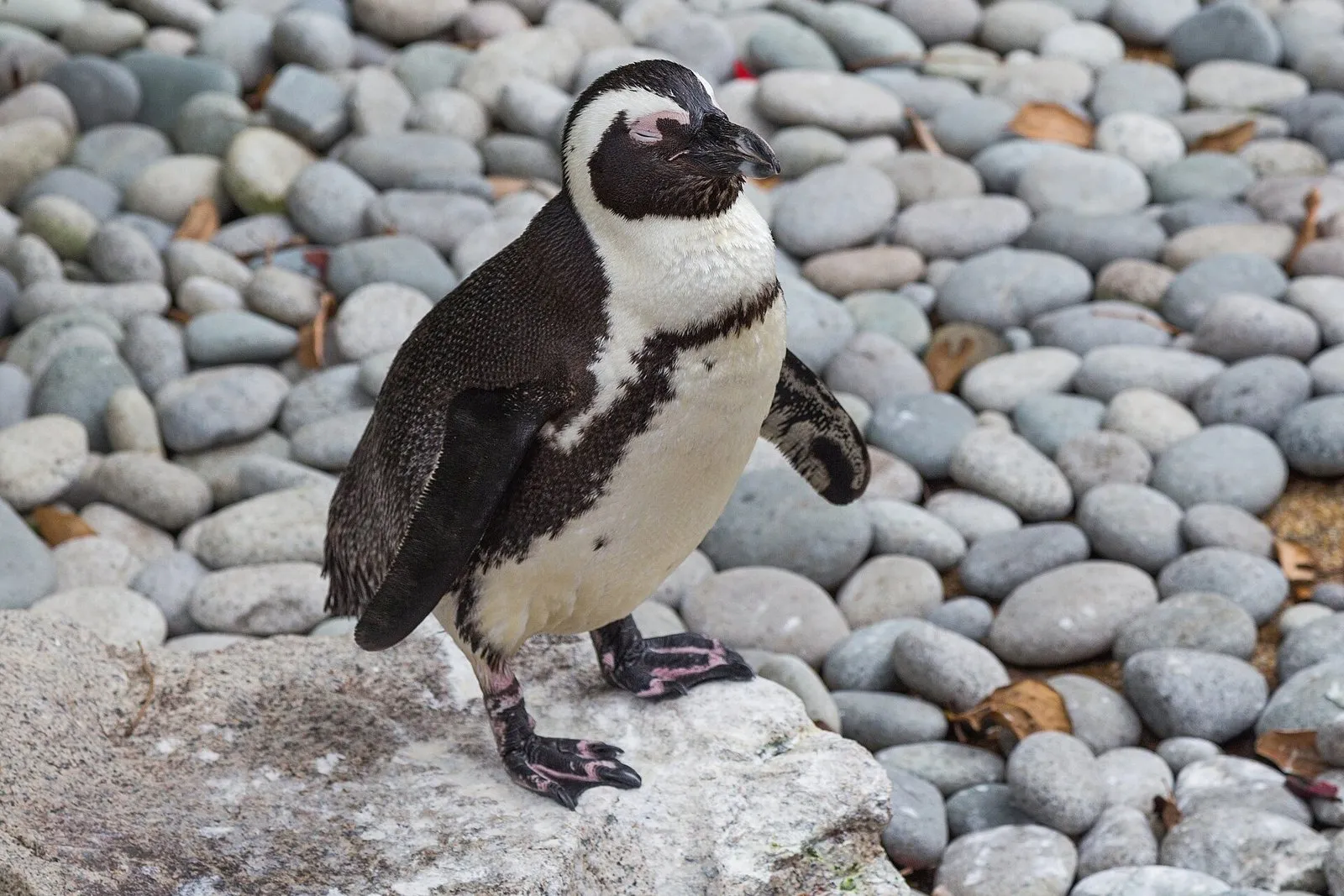
2. There aren't enough fish to eat
African Penguins eat small fish like sardines. The fish have moved farther away as the ocean changes, and people catch the same fish, so the penguins go hungry.
-
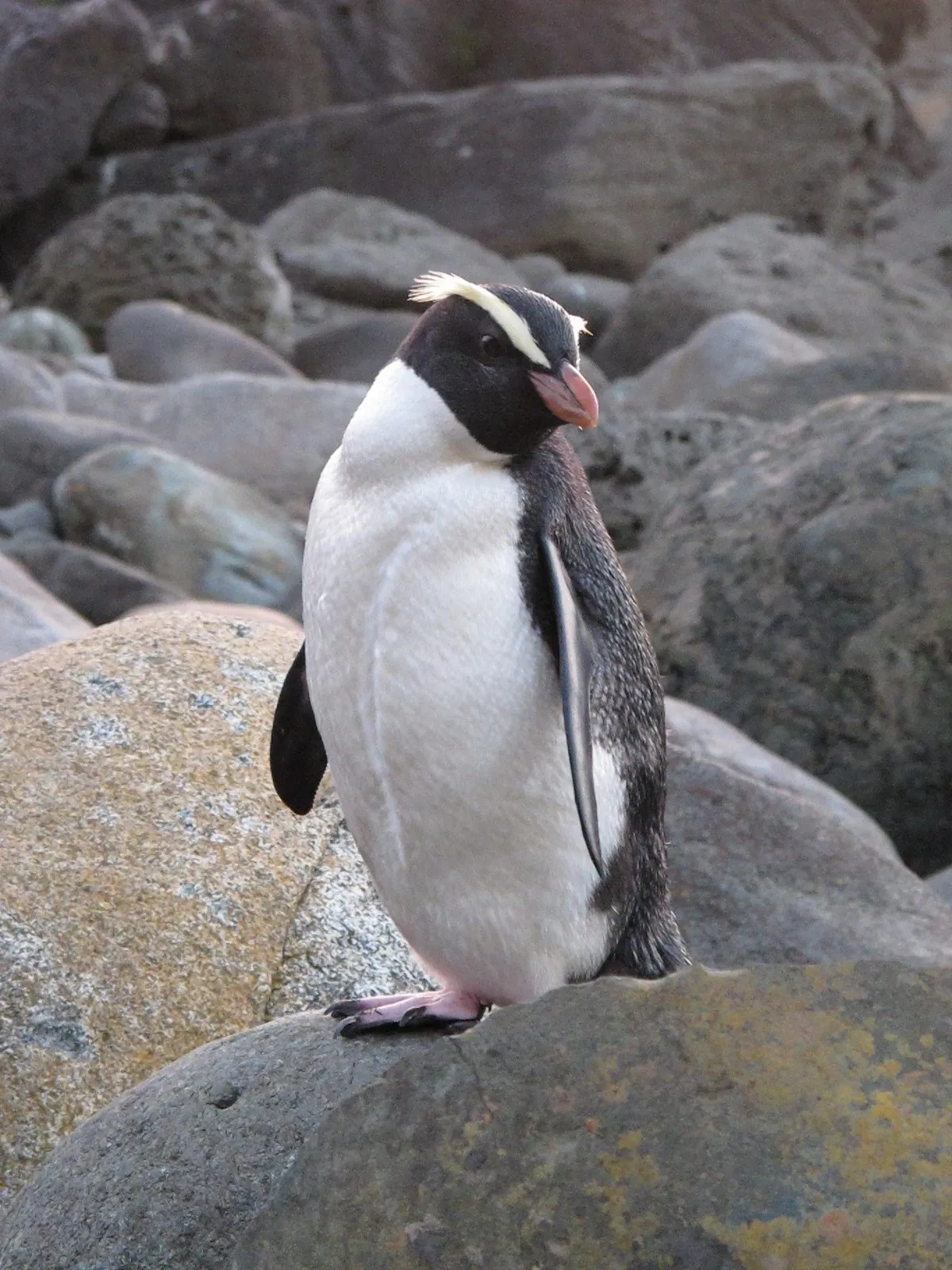
3. Animals brought by people attack them
Fiordland Penguins in New Zealand lose eggs and chicks to stoats, animals that people brought to the islands. Galápagos Penguins are attacked by cats and rats.
-
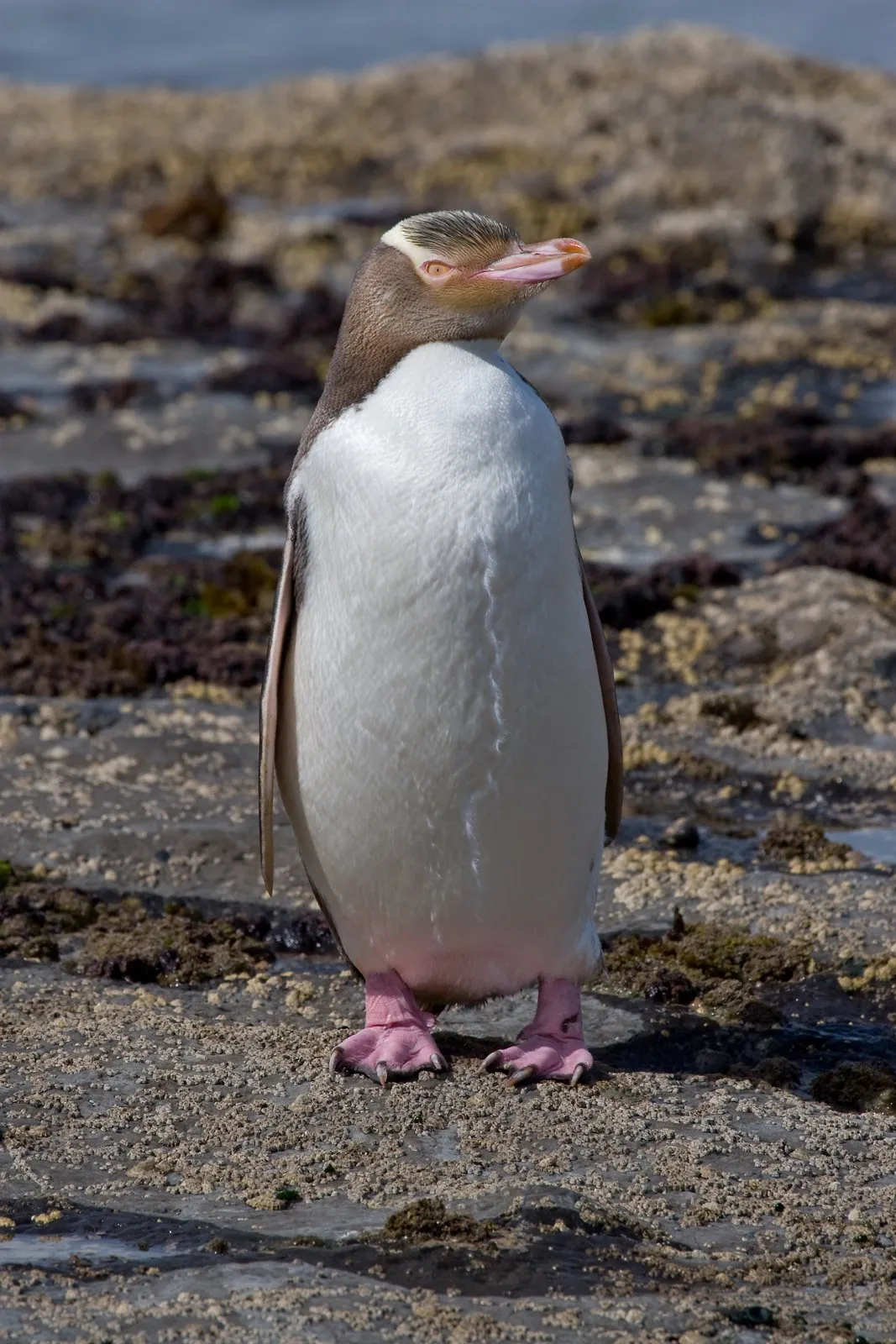
4. They get caught in fishing nets
Yellow-eyed Penguins can get tangled in fishing nets underwater and drown.
-
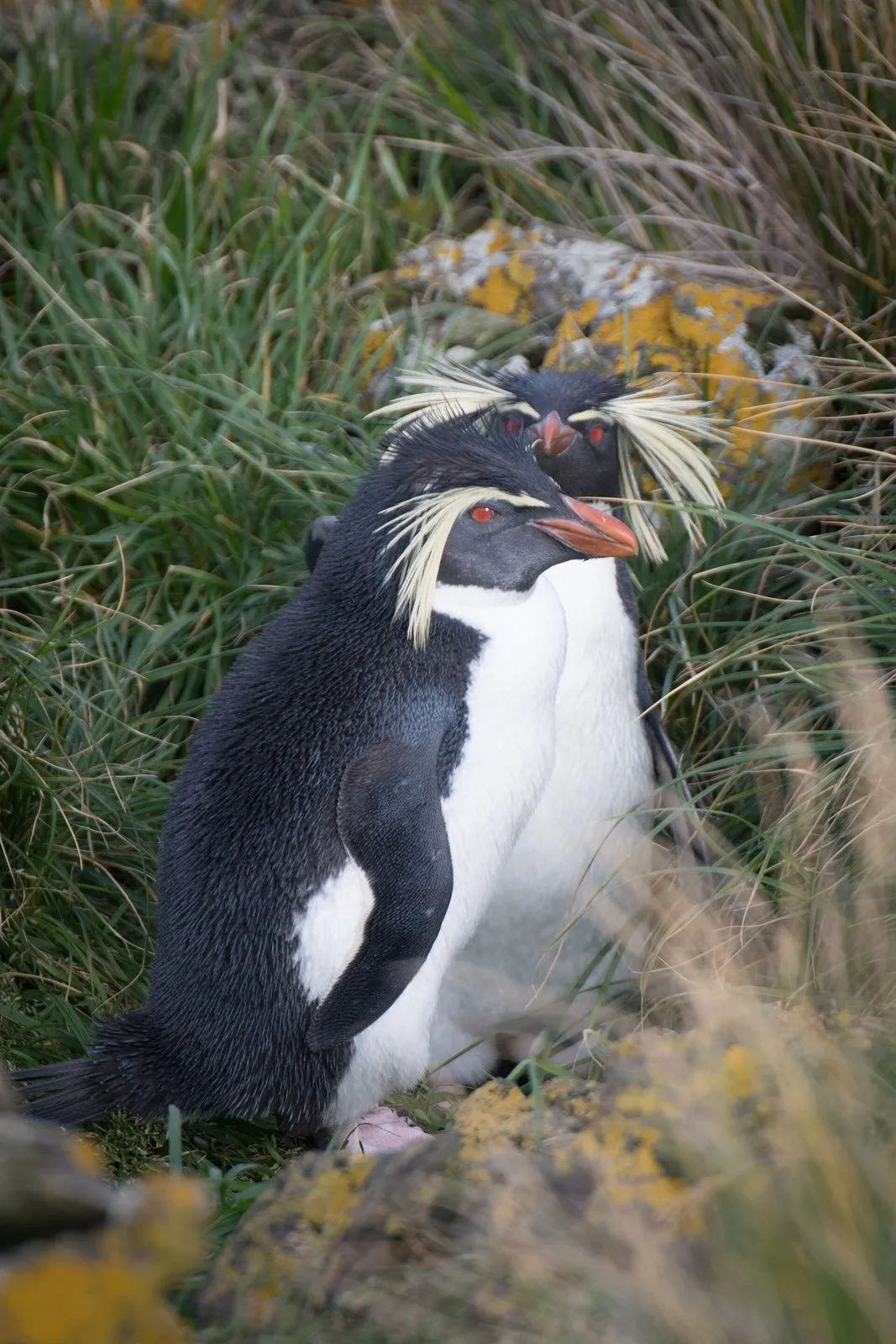
5. Oil spilled into the sea
In 2011 a ship wrecked near an island where Northern Rockhopper Penguins live, and oil leaked into the sea. Islanders cleaned 3,718 oily penguins, but only 381 could go back to the sea.
-
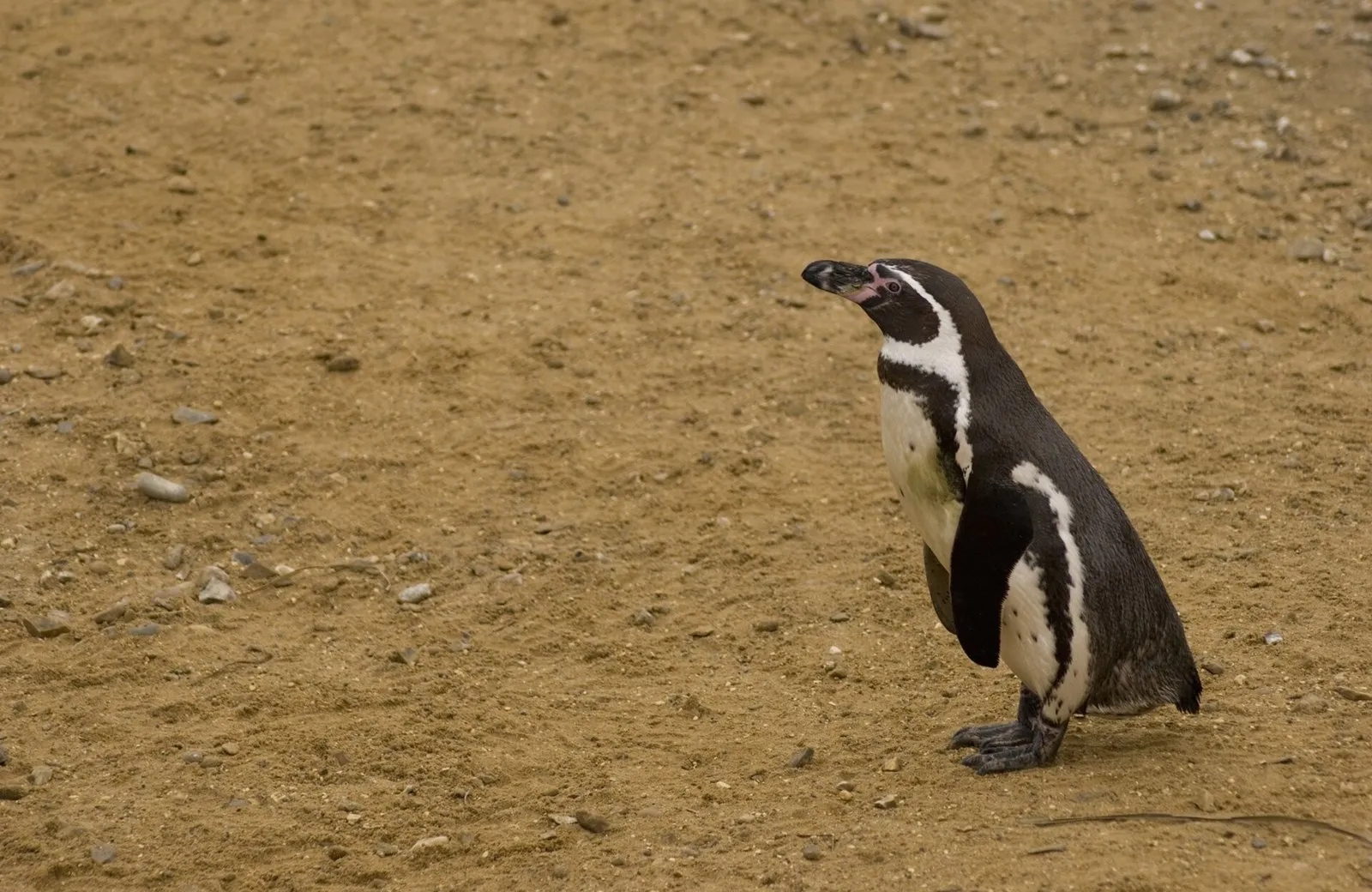
6. Diseases spread
In 2023 a disease called bird flu spread in Chile, in South America, and more than 2,800 Humboldt Penguins were found dead.
You can see some of them in Japan
The Humboldt Penguin, the one you see most often at zoos and aquariums in Japan, is endangered too. You can meet them at 62 places, and African Penguins at 24 places.
Aquariums in Japan also study how to help penguins have more chicks.
Find a zoo or aquarium near you
What can we do?
- Learn about penguins and tell your family and friends.
- Visit a zoo or aquarium and listen to the keepers' talks.
- Saving energy, like turning off lights, helps slow down global warming, and that helps penguins too.
Want to learn more?
This page is based on the IUCN Red List and reports from governments and conservation groups.